Shifting Membership Hierarchies That Recalibrate Decision Trees in Real-Time Card Interfaces Linked to Seamless Transaction Flows
Written by Ulrich Jung · Oct 6, 2026
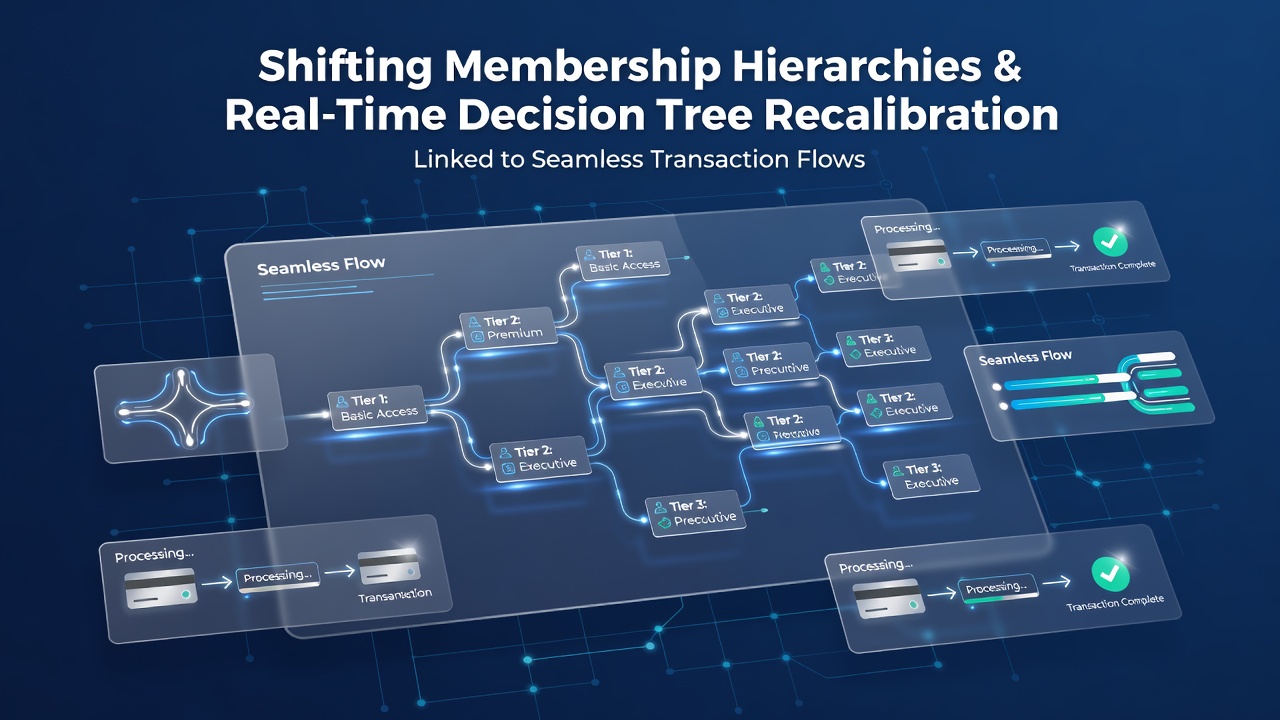
Shifting Membership Hierarchies That Recalibrate Decision Trees in Real-Time Card Interfaces Linked to Seamless Transaction Flows
Digital gaming platforms have developed systems where membership hierarchies adjust in response to user behavior patterns and activity levels, and these adjustments directly influence the decision support structures embedded in card game interfaces. Observers note that such recalibrations occur without interrupting ongoing sessions, while transaction processing remains connected through integrated payment pathways that handle deposits and withdrawals in continuous sequences.
Platforms maintain tiered structures that reflect cumulative play metrics and deposit frequency, yet these tiers do not remain static because algorithms monitor session data in real time and reassign levels when thresholds are crossed. The reassignment triggers updates to the decision trees that guide user options during card games, such as blackjack variants on portable devices, and those updates appear as modified strategy prompts or risk indicators within the interface itself.
Mechanics of Real-Time Hierarchy Adjustments
Developers design membership systems to evaluate multiple data points simultaneously, including session duration, wager size, and interaction frequency with payment modules, and this evaluation feeds into rules engines that promote or demote users across levels. When a hierarchy shifts, the associated decision tree recalibrates by expanding or contracting available recommendations in the card interface, for example altering the prominence of hit or stand suggestions based on the new tier's parameters. Data from industry reports show that these changes happen within seconds of the triggering event, and the seamless transaction flows ensure that any required balance updates occur without requiring users to navigate away from the active game screen.
Studies conducted by research institutions in Australia have examined how such dynamic systems affect player retention across mobile applications, and findings indicate that integrated payment linkages reduce friction during tier transitions. The European Gaming and Betting Association has documented similar implementations in European markets, where platforms link membership recalibrations to automated fund routing protocols that maintain continuity in high-volume sessions.
Transaction Integration and Interface Responses
Seamless transaction flows function as the connective tissue between hierarchy changes and interface updates because payment gateways exchange data directly with the membership engine. When a user completes a deposit that elevates their tier, the system registers the new level and immediately modifies the decision tree outputs visible in the card interface, such as displaying personalized probability ranges or adjusted bonus multipliers tied to the current status. This linkage prevents delays that might otherwise force players to exit and re-enter the application.
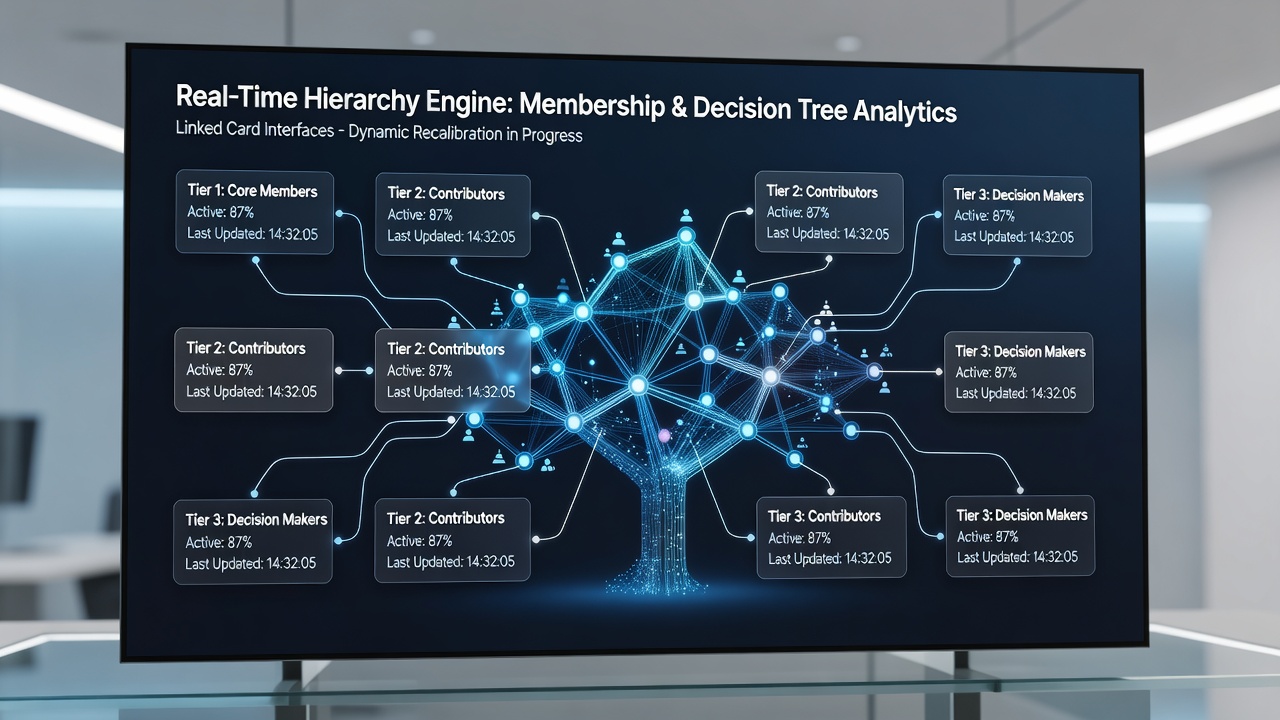
Platforms operating in North American jurisdictions have incorporated regulatory requirements from bodies like the Nevada Gaming Control Board into these architectures, ensuring that transaction records remain auditable even as decision trees evolve. In October 2026 several operators reported expanded adoption of these integrated frameworks across handheld devices, with metrics showing reduced session interruptions compared to earlier static tier models. The recalibration process relies on predefined logic trees that account for both membership status and current transaction velocity, allowing the interface to present contextually appropriate choices without manual intervention from the user.
Observed Patterns Across Platforms
Analyses from academic sources tracking global digital entertainment platforms reveal consistent patterns where higher membership tiers unlock more granular decision tree branches in card interfaces, while lower tiers maintain simplified pathways to support newer participants. These patterns emerge because the underlying algorithms prioritize data streams from both gameplay and payment modules, and the resulting outputs adjust continuously rather than at fixed intervals. Transaction flows support this continuity by processing micro-adjustments in background channels, which keeps the visible interface responsive during extended play periods.
One documented implementation involved a platform that synchronized membership promotions with instant withdrawal confirmations, and this synchronization produced measurable shifts in how decision prompts appeared during live card sessions. Researchers tracking these developments emphasize that the technical architecture requires precise synchronization between membership databases and transaction ledgers to avoid mismatches that could disrupt the recalibration sequence.
Conclusion
Shifting membership hierarchies continue to influence decision tree structures within real-time card interfaces through their direct connection to transaction processing systems. The mechanisms described rely on continuous data exchange and automated recalibrations that maintain operational flow across mobile environments, and evidence from regulatory and research sources supports the ongoing refinement of these integrated approaches in various markets.